
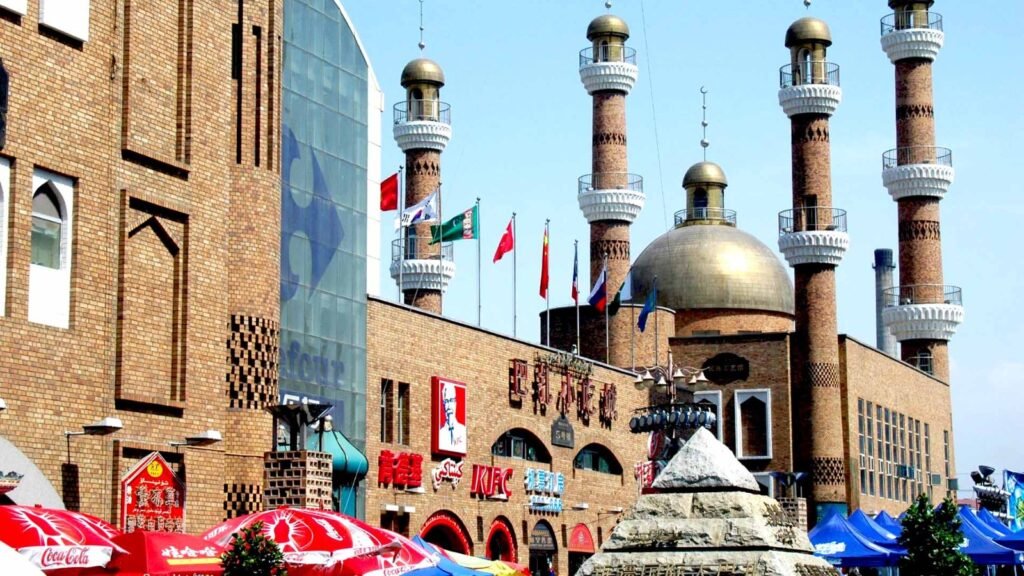
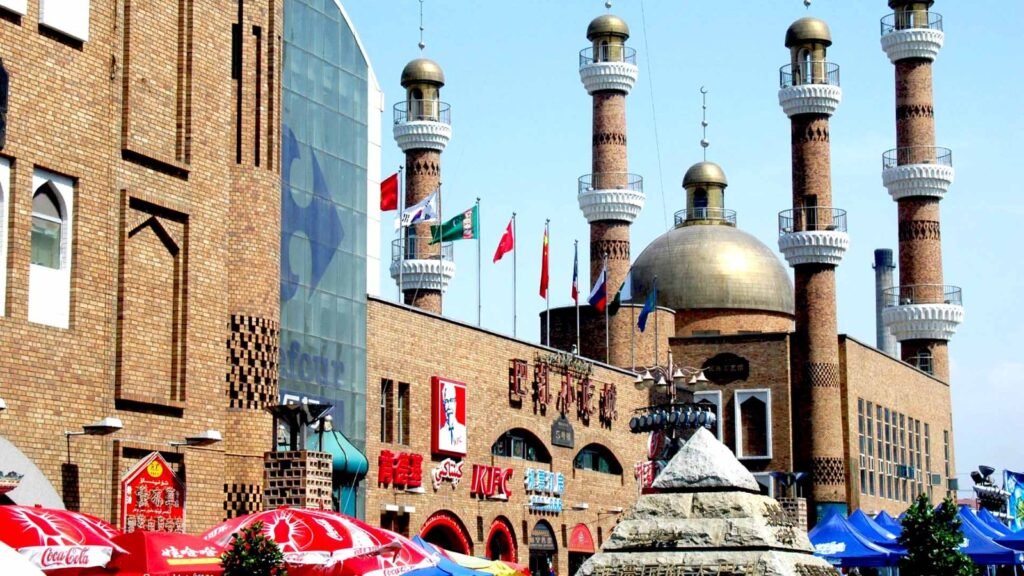
Welcome to “Central Asia’s Crown Jewels” a journey that will take you through some of the most mesmerizing destinations in the heart of Asia. This adventure-packed trip covers the stunning landscapes and rich cultures, showcasing the best of what Central Asia has to offer. Get ready to witness the majestic beauty of ancient cities, soaring mountains, and pristine lakes, all while immersing yourself in the fascinating local cultures.
Our journey begins in Tashkent, the capital city of Uzbekistan, where we’ll explore the ancient Silk Road city and its bustling bazaars. From there, we’ll head to the enchanting city of Samarkand, home to some of the most stunning Islamic architecture in the world. Get ready to witness the grandeur of Registan Square and the stunning Shah-i-Zinda complex, both of which are UNESCO World Heritage Sites. The trip also includes a visit to the tranquil city of Bukhara, where we’ll discover the rich history and culture of this ancient city. Join us on this unforgettable adventure, “Central Asia’s Crown Jewels” and explore the hidden gems of this magnificent region.
Central Asia is a vast and diverse region that has been inhabited by various nomadic and sedentary civilizations for thousands of years. The history of Central Asia can be traced back to ancient times, when several powerful empires such as the Bactrian, Sogdian, and Khwarezmian cultures emerged and developed sophisticated trade, agriculture, and urban centers. You will get a chance to make yourself familiar with it through the journey Central Asia’s Crown Jewels.
In the medieval period, Central Asia came under the rule of the Mongols, who established a vast empire that spanned from Europe to Asia. The Mongol rule brought both devastation and cultural exchange to the region, with the Silk Road trade flourishing under their protection.
In the 14th and 15th centuries, the Timurids, a Central Asian dynasty, emerged and established a powerful empire that included Iran, Iraq, and parts of India. The Timurid era is known for its cultural achievements, particularly in the fields of literature, art, and architecture.
In the 19th century, Russia expanded its territory into Central Asia and established a colonial rule that lasted until the Soviet era. The Soviets implemented policies that aimed to transform the region’s economy and society, leading to rapid industrialization and urbanization but also environmental degradation and social disruption.
After the fall of the Soviet Union in 1991, Central Asian republics declared their independence and embarked on a path of nation-building and economic development. Today, the region faces challenges such as political instability, ethnic tensions, and economic inequality, but also has significant potential for growth and cooperation with neighboring countries.